

These days, being online is basically a must, whether you’re building a brand, growing a business, or looking for a job. But just because you need to be visible doesn’t mean you have to give up your privacy.
Sharing too much can open the door to all sorts of problems, like online harassment or even identity theft. So, how do you stay visible without putting yourself at risk?
What “getting found online” really means
Being discoverable online doesn’t mean sharing every little thing about your life. It just means having the right kind of info out there so people can learn about your skills, ideas, or experience. This could be through your website, LinkedIn, Medium, a podcast, or guest posts.
More content doesn’t always mean better visibility. What matters is niche content that shows people what you’re about. Pick a topic or area you want to be known for, and build your online presence around that.
I suggest sticking to two main ideas:
- Intentional relevance – Make content that answers your audience’s real questions and speaks their language.
- Consistent sharing – Show up regularly so your audience knows when to expect new stuff from you.
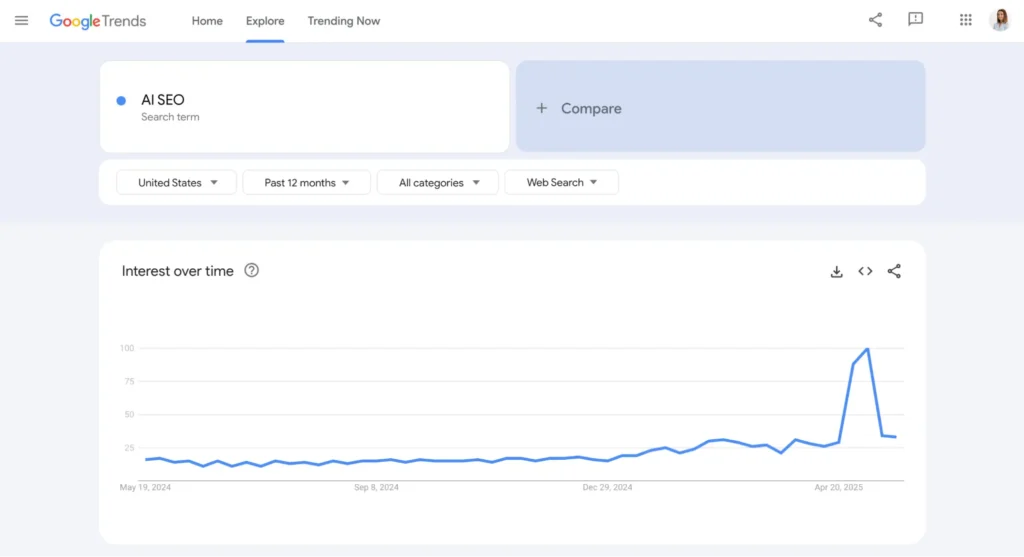
If you want to know what your audience is interested in, you can check out the comments section on social media or use tools like Google Trends. For example, interest in “AI SEO” shot up in April 2025.
When your content focuses on professional insights rather than personal life, it naturally helps protect your privacy. People will come to know you for your ideas, not your personal details.
Think of the experts you follow, chances are they share what they know, not what they had for breakfast. Unless you’re a lifestyle influencer, going too personal isn’t really necessary.
Keep your private life private
It’s easy to blur the line between personal and public online, but it’s important to set boundaries. I recommend sharing stories that support your message, but avoid revealing sensitive info like:
- Your home location – Never post your address or habits that show where you usually are. Be careful with photos that show your neighborhood or home.
- Money matters – Unless your niche is “money making,” keep details about your income, spending, or bank accounts off the Internet. Even casual mentions of money can attract the wrong attention.
- Family info – Don’t post about relatives or family unless they’ve agreed to it. It’s their privacy, too.
- Travel plans – Don’t share where you’re going before you go. Post trip pics after you’re home, so you’re not advertising an empty house.
Ask yourself the following question before posting anything: Could someone use this info to hurt me or my loved ones? If yes, don’t share it.
Setting these boundaries won’t hurt your reputation. It’ll actually help you stay online longer and safer. It’s way better to protect your privacy upfront than to fix problems later.
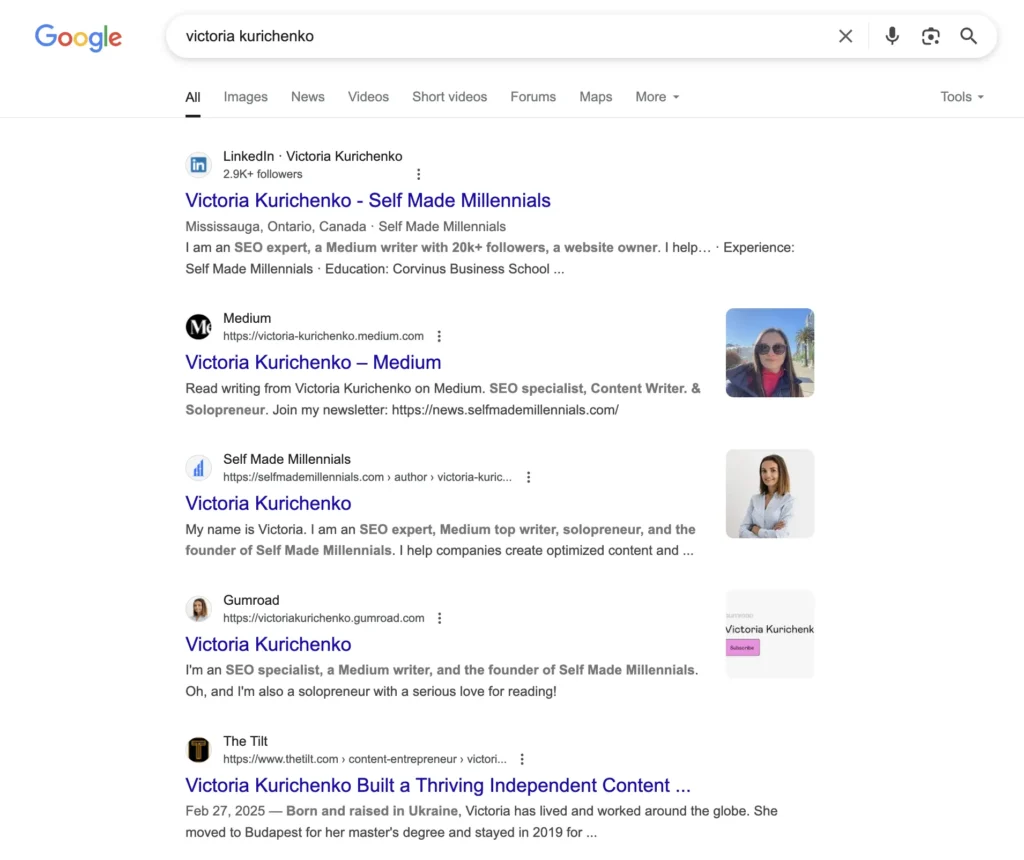
Google yourself once in a while
I highly suggest checking what’s in there about you online. You may be surprised.
You can set up Google Alerts for your name so you’ll know when something new pops up. Ask yourself: Is this the impression I want to give?
Also, learn how identity theft works. It often starts with small bits of info that scammers piece together. Common types include:
- Financial theft
- Social Security theft
- Medical identity theft
- Synthetic identity theft (fake identities made from bits of real info)
A 2024 report from the Identity Theft Resource Center showed there were tons of data breaches, especially in banking, healthcare, education, and professional services. If you’re worried, there are personal data removal services that help remove your personal info from the web.
Think before posting
Before posting something, ask yourself: Does this help me reach my goals? Would I be okay with this being online forever?
It’s easy to post something quickly and regret it later. Even innocent posts can be taken out of context. Give yourself a bit of space. Write a post, then come back to it later with fresh eyes before publishing. This helps you avoid impulsive content you might regret down the road.
Also, check your emotional state. Are you feeling calm and clear-headed? Or are you posting in the heat of the moment? That excitement might cloud your judgment.
Remember: everything you post is part of your digital footprint. Think of your content as a long-term investment in how people see you.
Use privacy settings (seriously)
A lot of people ignore the privacy tools available on platforms, but they make a big difference.
- Choose your audience – On Instagram, for example, the “Close Friends” option lets you post to a private group.
- Control interactions – Limit who can tag, comment, or mention you.
- Use disappearing content – Stories on platforms like Instagram vanish after 24 hours, which is great for less permanent content.
Also, review your privacy settings regularly, as platform updates can reset your preferences without warning.
Boost your visibility without oversharing
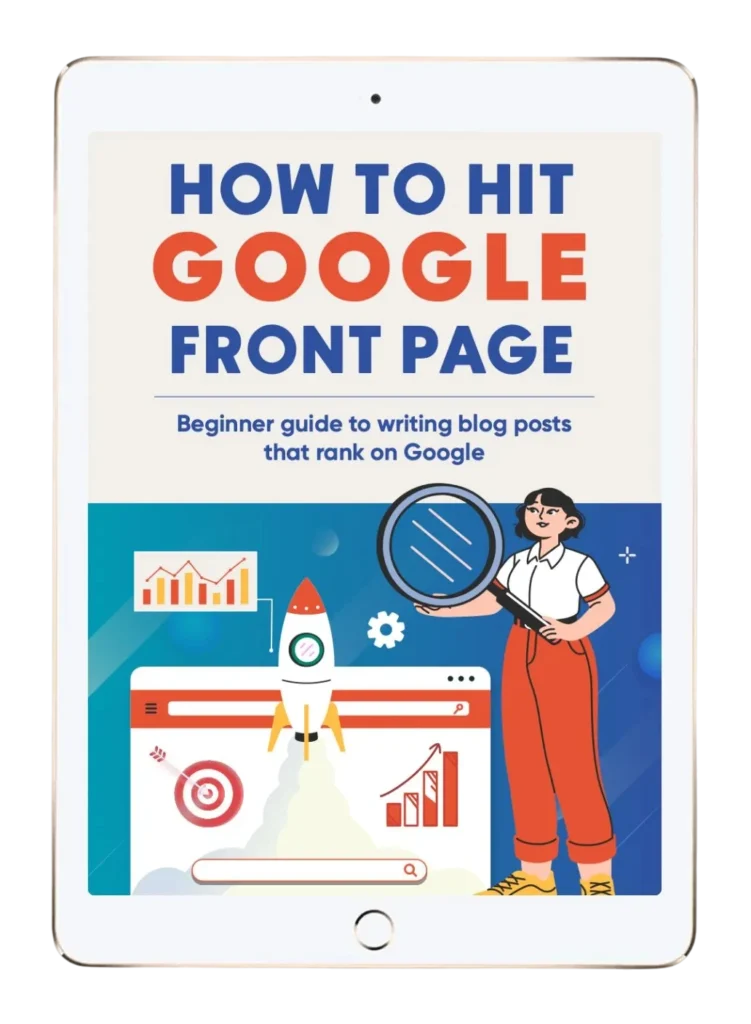
If you want to show up in search results without oversharing your personal info, I suggest learning about SEO writing (search engine optimization writing). You don’t need to share private stuff to be found online. You can use the on-page optimization strategies. I shared my step-by-step process of creating content that hits the Google front page in my SEO ebook.
If you’re just getting started, doing SEO for a new website includes the following:
- Get a reliable hosting provider
- Choose a CMS like WordPress or Wix
- Use SEO tools
- Conduct keyword research
- Create a content plan
- Start creating optimized content for ranking
Wrapping it up
Being easy to find online doesn’t mean giving up your privacy. With the right strategies, like setting boundaries, using smart tools, and being intentional, you can stay visible without overexposing yourself.
Build your digital presence on purpose. Let people find you for what you do, not for what you overshare.

Join the newsletter for actionable SEO tips, case studies, and a behind-the-scenes look at my affiliate marketing journey.
No spam. Unsubscribe anytime.